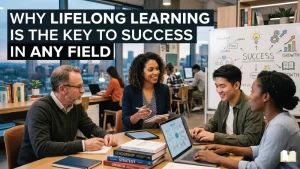

In today’s fast-paced digital world, knowledge is one of the most powerful assets you can possess. Becoming a knowledgeable person isn’t about memorizing facts-it’s about developing a mindset of continuous learning, curiosity, and critical thinking. The good news? Anyone can do it with the right approach.
This comprehensive, evergreen guide will walk you step by step through proven strategies to expand your knowledge, improve your thinking, and grow into a well-informed individual. Whether you’re a student, professional, or lifelong learner, these practical steps will help you stay ahead.
Introduction: What Does It Mean to Be Knowledgeable?
Being knowledgeable doesn’t mean knowing everything. Instead, it means having a broad understanding of different topics, the ability to think critically, and a willingness to keep learning.
A knowledgeable person:
- Stays curious about the world
- Seeks reliable information
- Thinks deeply before forming opinions
- Continuously improves their understanding
At Info Verse 360, we believe knowledge is not static-it’s ever-evolving. The more you learn, the more opportunities you create for yourself.
Step 1: Cultivate a Curious Mindset
Curiosity is the foundation of knowledge. Without curiosity, learning becomes a chore instead of an exciting journey.
How to build curiosity:
- Ask “why” and “how” frequently
- Explore topics outside your comfort zone
- Be open to new perspectives
- Avoid assuming you already know everything
Curiosity transforms everyday experiences into learning opportunities.
Step 2: Build a Daily Learning Habit
Consistency beats intensity. You don’t need hours every day-just 20–30 minutes of focused learning can make a huge difference over time.
Simple daily habits:
- Read an article after waking up
- Watch an educational video during breaks
- Listen to podcasts while commuting
- Review something new before sleeping
Over time, these small habits compound into significant knowledge growth.
Step 3: Read Widely and Consistently
Reading is one of the most effective ways to gain knowledge.
What to read:
- Books (fiction and non-fiction)
- Blogs and articles
- Research papers (for deeper insights)
- News from reliable sources
Tips for better reading:
- Take notes while reading
- Highlight key ideas
- Summarize what you learned
Reading expands your thinking and exposes you to different viewpoints.
Step 4: Learn from Multiple Sources
Relying on a single source can limit your understanding. To become truly knowledgeable, diversify your learning sources.
Explore:
- Books
- Online courses
- Podcasts
- Documentaries
- Educational YouTube channels
Each source offers a unique perspective, helping you develop a well-rounded understanding.
Step 5: Improve Your Memory and Retention
Learning is useless if you forget everything. Improving memory ensures that knowledge stays with you.
Effective techniques:
- Spaced repetition
- Active recall (testing yourself)
- Teaching others
- Writing summaries
Example:
Instead of rereading notes, try explaining the concept to someone else. This strengthens your understanding.
Step 6: Ask Questions and Think Critically
Knowledge grows when you question information instead of blindly accepting it.
Ask yourself:
- Is this information reliable?
- What evidence supports it?
- Are there alternative viewpoints?
Critical thinking helps you filter misinformation and develop deeper insights.
Step 7: Apply What You Learn
Knowledge becomes powerful only when applied.
Ways to apply learning:
- Practice skills regularly
- Work on real-world projects
- Share your knowledge through blogs or discussions
- Solve problems using what you’ve learned
Application transforms theoretical knowledge into practical wisdom.
Step 8: Surround Yourself with Knowledgeable People
Your environment plays a huge role in your growth.
How to build a smart circle:
- Join learning communities
- Attend workshops and webinars
- Engage in meaningful conversations
- Follow experts in your field
Being around knowledgeable people inspires you to grow faster.
Step 9: Use Technology Smartly
Technology can either distract you or educate you-the choice is yours.
Smart usage:
- Follow educational content creators
- Use apps for learning new skills
- Take online courses
- Limit mindless scrolling
Turn your phone into a learning tool instead of a distraction.
Step 10: Stay Consistent and Track Progress
Growth doesn’t happen overnight. Consistency is the key to becoming knowledgeable.
Track your progress:
- Maintain a learning journal
- Set weekly learning goals
- Review what you’ve learned
- Celebrate small wins
Consistency builds momentum and keeps you motivated.
Common Mistakes to Avoid
Avoiding these mistakes can speed up your learning journey:
- Trying to learn everything at once
- Relying on unreliable sources
- Not applying knowledge
- Giving up too soon
- Ignoring critical thinking
Remember, learning is a marathon, not a sprint.
Conclusion
Becoming a more knowledgeable person is a lifelong journey. It requires curiosity, discipline, and consistency. By following these step-by-step strategies, you can continuously grow and stay ahead in any field.
At Info Verse 360, we emphasize the importance of evergreen learning-because knowledge is always evolving. The key is to keep adapting, exploring, and improving every day.
Start small, stay consistent, and watch yourself transform into a smarter, more informed individual.
FAQs
How long does it take to become knowledgeable?
It depends on your consistency and approach. With daily learning habits, you can see noticeable improvement within a few months.
What is the best way to start learning daily?
Start with small habits like reading for 15–20 minutes or watching educational content regularly.
How can I remember what I learn?
Use techniques like spaced repetition, active recall, and teaching others to improve retention.
Can I become knowledgeable without formal education?
Yes, self-learning through books, online resources, and real-world experiences can make you highly knowledgeable.
What topics should I focus on?
Focus on areas that interest you, but also explore general knowledge like history, science, technology, and current affairs.
How do I stay motivated to keep learning?
Set clear goals, track progress, and remind yourself of the long-term benefits of knowledge.