
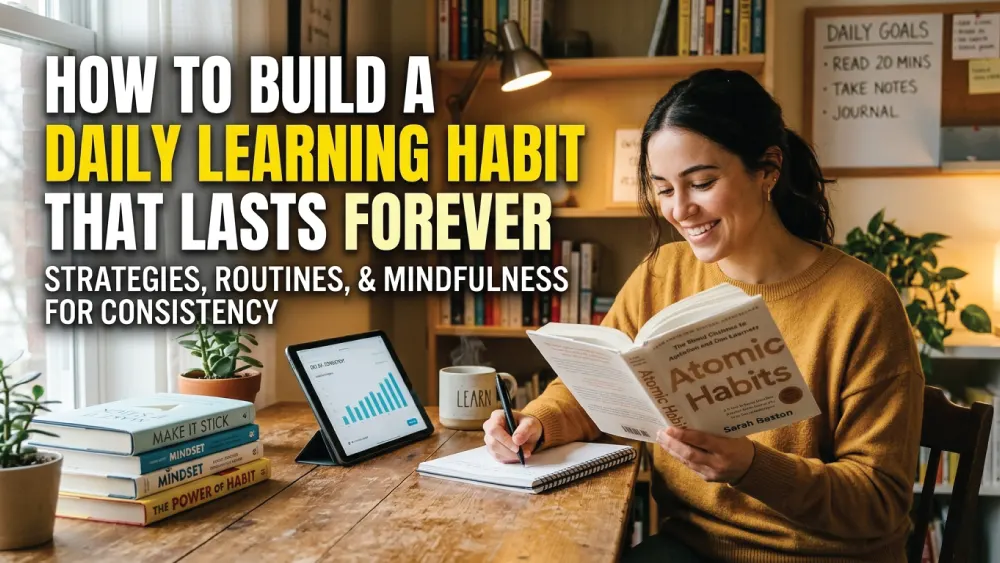
In a world that evolves faster than ever, the ability to learn consistently is no longer optional-it’s essential. Whether you’re aiming to advance your career, improve your personal life, or simply stay curious, building a daily learning habit can transform your future.
The challenge isn’t starting-it’s staying consistent. Many people begin with enthusiasm but struggle to maintain momentum. This guide will show you how to create a daily learning habit that not only sticks but evolves with you over time.
Introduction: Why Daily Learning Matters
Learning is not confined to classrooms or degrees-it’s a lifelong journey. In today’s knowledge-driven world, staying relevant means continuously updating your skills and perspectives.
Daily learning helps you:
- Stay competitive in your field
- Improve critical thinking
- Boost confidence and creativity
- Adapt to change more easily
Platforms like Info Verse 360 emphasize the importance of consistent, bite-sized learning, making knowledge accessible and practical for everyday life.
The Science Behind Habit Formation
To build a lasting habit, it’s important to understand how habits work.
According to behavioral psychology, habits are formed through a loop:
- Cue (Trigger) – A reminder to start
- Routine (Action) – The learning activity
- Reward (Benefit) – The satisfaction you gain
Repeating this loop consistently rewires your brain, making the habit automatic over time.
The 21/66-Day Myth
While many believe habits form in 21 days, research suggests it can take anywhere from 18 to 66 days depending on the complexity and consistency. The key is persistence, not perfection.
Benefits of a Lifelong Learning Habit
Building a daily learning habit offers long-term rewards:
1. Continuous Growth
You evolve mentally and emotionally as you gain new insights.
2. Increased Opportunities
New skills can open doors to better career paths and income streams.
3. Improved Decision-Making
Knowledge enhances your ability to make informed choices.
4. Mental Agility
Regular learning keeps your brain active and sharp.
5. Confidence Boost
Understanding more about the world builds self-assurance.
Step-by-Step Guide to Building a Daily Learning Habit
Step 1: Start Small
Don’t overwhelm yourself. Begin with just 10–15 minutes a day. Small, consistent actions lead to big results.
Step 2: Set Clear Goals
Ask yourself:
- What do I want to learn?
- Why is it important to me?
Clear goals give your learning direction and purpose.
Step 3: Create a Fixed Time Slot
Consistency is key. Choose a specific time daily:
- Morning (fresh mind)
- Lunch break (quick learning)
- Night (reflection and review)
Step 4: Choose the Right Content
Focus on evergreen content-knowledge that remains valuable over time. Examples include:
- Critical thinking
- Financial literacy
- Communication skills
- General knowledge
Step 5: Use Microlearning
Break down topics into smaller chunks. This makes learning easier and less intimidating.
Step 6: Track Your Progress
Maintain a journal or use apps to track:
- What you learned
- How much time you spent
- Key takeaways
Tracking builds accountability.
Step 7: Reward Yourself
Celebrate small wins. Rewards reinforce the habit and keep you motivated.
Common Mistakes to Avoid
Even with the best intentions, people often fall into these traps:
1. Trying to Learn Too Much at Once
This leads to burnout. Focus on one topic at a time.
2. Lack of Consistency
Skipping days breaks the habit loop. Aim for daily consistency, even if it’s just 5 minutes.
3. Passive Learning
Watching videos without applying knowledge reduces retention. Practice what you learn.
4. No Clear Goal
Learning without direction can feel meaningless and lead to quitting.
Tools and Techniques to Stay Consistent
1. Habit Stacking
Attach learning to an existing habit:
- After brushing your teeth – Read an article
- After dinner – Watch an educational video
2. Use Technology Wisely
Leverage apps, podcasts, and blogs to make learning accessible anywhere.
3. Join Learning Communities
Engaging with others keeps you accountable and motivated.
4. Set Reminders
Use alarms or notifications to stay on track.
5. Follow the 2-Minute Rule
If you feel lazy, start with just 2 minutes. Most of the time, you’ll continue beyond that.
How to Make Learning Enjoyable and Sustainable
A habit that feels like a chore won’t last. Here’s how to make learning fun:
1. Choose Topics You Love
Interest fuels consistency. Start with subjects that excite you.
2. Mix Formats
Alternate between:
- Reading
- Videos
- Podcasts
- Interactive tools
3. Apply What You Learn
Use knowledge in real life. Application strengthens understanding.
4. Teach Others
Explaining concepts improves retention and builds confidence.
5. Keep It Flexible
Life changes-adapt your routine instead of abandoning it.
The Role of Evergreen Content in Learning
Evergreen content plays a crucial role in building a sustainable learning habit. Unlike trending topics, evergreen knowledge remains relevant for years.
Examples of Evergreen Learning Topics:
- Personal finance basics
- Time management
- Communication skills
- Health and wellness
- General knowledge
Websites like Info Verse 360 focus on delivering evergreen content that continues to provide value over time, making it easier for learners to build consistent habits without chasing trends.
Why Evergreen Content Matters:
- Provides long-term value
- Reduces information overload
- Builds foundational knowledge
- Supports continuous improvement
Conclusion
Building a daily learning habit that lasts forever isn’t about intensity-it’s about consistency. Start small, stay committed, and focus on meaningful, evergreen knowledge.
Remember:
- Progress beats perfection
- Consistency beats motivation
- Learning is a lifelong journey
By integrating simple strategies into your daily routine, you can transform learning from a task into a natural part of your life.
Over time, this habit will not only expand your knowledge but also shape your mindset, helping you adapt, grow, and thrive in an ever-changing world.
FAQs
How long does it take to build a daily learning habit?
It can take anywhere from 18 to 66 days, depending on consistency and effort. The key is to stay regular and patient.
What is the best time for daily learning?
The best time is when you can stay consistent. Many prefer mornings for better focus, but any time works if maintained daily.
How can I stay motivated to learn every day?
Set clear goals, track progress, and reward yourself. Choosing topics you enjoy also helps maintain motivation.
What should I learn daily?
Focus on evergreen topics like communication, finance, or general knowledge that provide long-term value.
Is 10 minutes of learning enough?
Yes. Even 10 minutes daily adds up significantly over time and helps build a consistent habit.
How do I avoid burnout while learning?
Keep sessions short, take breaks, and mix different learning formats to stay engaged and refreshed.